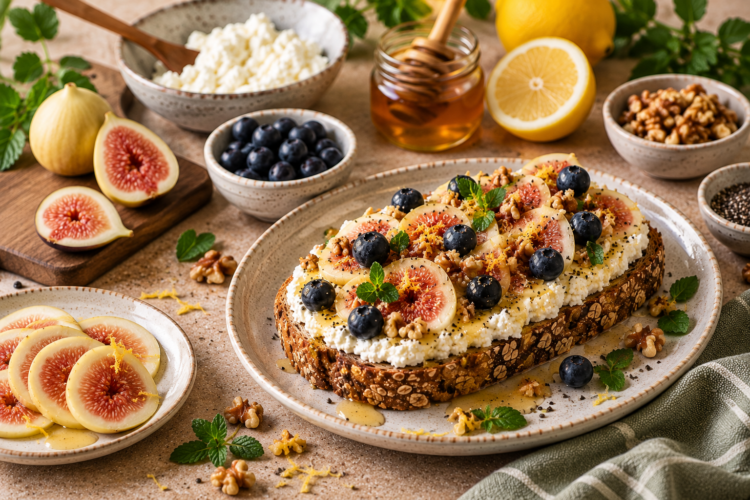
“A simple slice of calm, a nourishing pause.”
Soft, creamy, warm, and wonderfully uncomplicated, this Rest Day Ricotta Toast is made for mornings when you don’t need breakfast to hurry you along. It’s for those slower starts when staying in your pajamas a little longer sounds perfectly reasonable, the coffee or tea is still warm, and your body seems to be asking for something gentle rather than another thing to rush through.
At the heart of it is a beautifully simple combination: warm, crisp toast topped with a generous layer of creamy ricotta. The contrast alone makes every bite satisfying. There’s the crunch of toasted bread beneath that cool, pillowy ricotta, followed by whatever fresh, flavorful toppings you feel like adding that morning. Nothing needs to be complicated or carefully arranged. A drizzle, a sprinkle, something fresh on top, and breakfast is ready.
And perhaps that simplicity is exactly the point. Not every morning needs a towering stack of pancakes or a breakfast that leaves half the kitchen waiting to be cleaned.
There’s plenty of room to follow your appetite, too. Keep the toppings minimal when simplicity sounds best, or add more texture, freshness, or flavour when you’re craving something a little brighter. Sweet or savoury, simple or generously topped, this is the kind of breakfast that happily adapts to whatever sounds good in the moment.
Rest Day Ricotta Toast makes an easy brunch when the morning stretches toward noon, or a satisfying midday snack when you want something more substantial than a handful of something from the pantry.
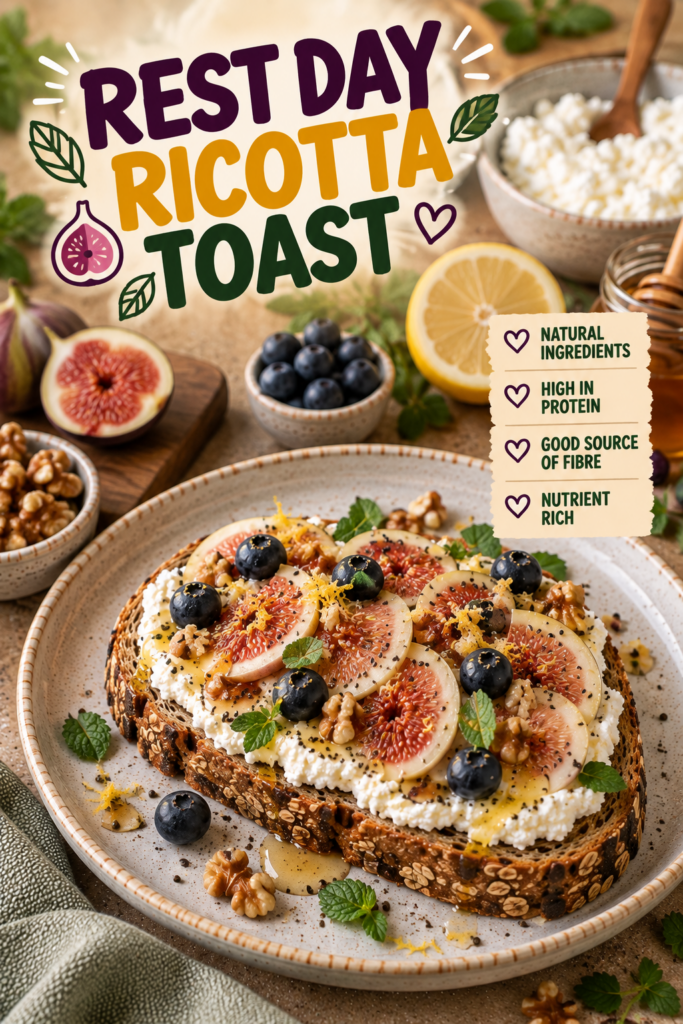
🌿 Why This Rest Day Ricotta Toast Supports Body-Based Healing
Ricotta = Bone Supporting Gentle Protein. Ricotta offers a soft, creamy source of nourishment that provides high-quality protein to support muscle maintenance, tissue repair, and lasting satisfaction. It also provides calcium and phosphorus, important minerals that work together to support strong bones and teeth, along with vitamin B12 to support healthy red blood cells and normal nervous system function. Its combination of protein and fat can help make meals feel more satisfying and provide steadier energy when paired with fiber-rich foods such as whole-grain toast, fruit, nuts, or seeds. Mild in flavour and naturally smooth in texture, brings comforting richness and nourishing balance.
Honey = Mood Lifting and Soothing. Honey offers a naturally sweet source of quick energy, providing carbohydrates that the body can readily use for everyday activity and movement. It also contains small amounts of antioxidants and beneficial plant compounds, with the exact amounts varying depending on the type and processing of the honey. Its rich sweetness means a little can go a long way, making it a lovely way to add flavour and satisfaction to nourishing foods. Smooth, familiar, and comforting, honey can bring warmth and sensory pleasure to a meal while offering a gentle burst of energy.
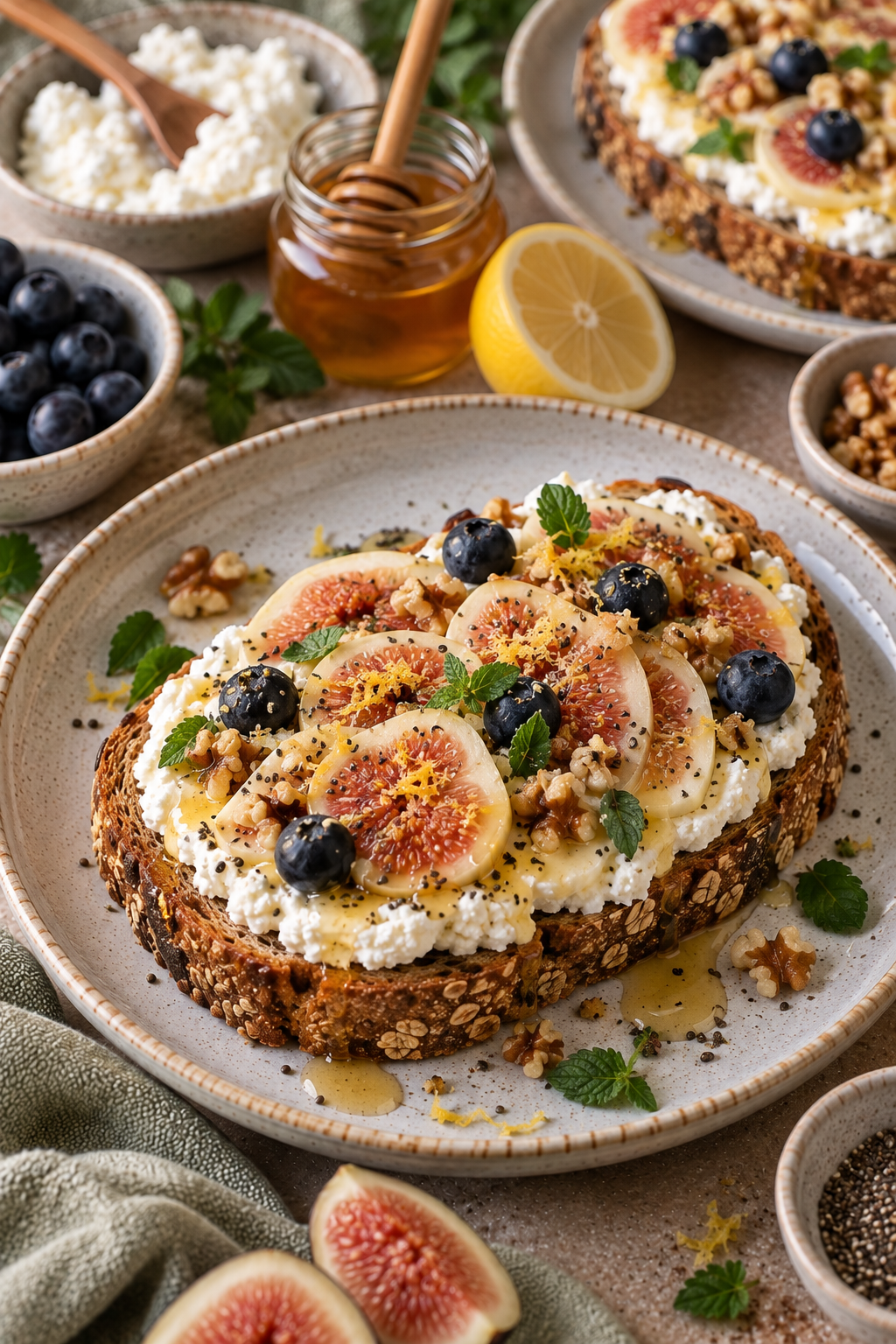
Fruit = Vitamin Rich, Refreshing and Balancing. Figs, blueberries, and pears create a beautifully nourishing combination of fiber, vitamins, minerals, and protective plant compounds that support whole-body wellbeing. Figs provide fiber, potassium, calcium, and magnesium to support digestion, bone health, and normal muscle function, while blueberries are especially rich in anthocyanins—antioxidants that support heart, brain, and cellular health. Pears contribute gentle fiber, vitamin C, and natural hydration, helping support digestive health and everyday nourishment. Together, their fiber and naturally occurring carbohydrates provide satisfying sweetness and sustained nourishment, especially when paired with protein or healthy fats.
Grounding through Texture = Sensory Balance & Gentle Regulation. The contrast between creamy ricotta and crisp toast creates a gentle sensory experience that can help anchor attention in the present moment. The crunch of the toast provides clear tactile, auditory, and proprioceptive feedback through the jaw, while the smooth, cool softness of ricotta offers a soothing counterbalance. Moving between these two predictable textures invites the senses to notice what is happening right now—the sound of each bite, the pressure of chewing, the shift from crisp to creamy, and the temperature of the food. For neurodivergent or sensory-sensitive eaters, this combination can offer enough sensory interest to encourage engagement while remaining familiar and manageable.
During moments of stress, restlessness, or emotional overwhelm, intentionally noticing these sensations can become a small grounding practice, gently redirecting attention from busy thoughts toward the body and creating space for steadiness, mindful presence, and connection with the experience of being nourished.
There’s something especially tender about making breakfast for someone when there’s nowhere they need to rush off to. Rest Day Ricotta Toast belongs to those softer mornings, when care can look as simple as putting bread in the toaster, spooning creamy ricotta on top, and remembering exactly how someone you love likes theirs finished.
Maybe your partner loves an extra-thick layer of ricotta. Maybe they always want something sweet drizzled over the top, while you reach for something savory. Perhaps you make a slice for someone who slept a little later because they needed the rest, leaving it ready alongside a warm cup of coffee or tea. These aren’t enormous gestures. That’s precisely what makes them feel so personal. There’s intimacy in knowing the small things.
Rest days can also be the moments when we notice each other a little more. When someone is tired, stretched thin, or simply craving a slower morning, making them something nourishing can gently say, “You don’t have to do everything right now. I’ve got breakfast.”
💛 Attachment & Relational Connections
Connection Through Shared Preparation.
Create a small topping station and prepare the toast side by side. One person can toast the bread, another spread the ricotta, another arrange toppings, and another drizzle the honey. Working together creates a simple relational experience: “We each contribute, and there is room for everyone’s creativity.”
Choice = Autonomy.
Allow each person to personalize their own toast. Try asking: “Which toppings would you like?” “Would you like a little ricotta or more?” “Would you like honey or prefer yours without it?” “Would you like your toppings together or separate?” “Would you like help, or would you like to do it yourself?” Respecting reasonable choices communicates: “Your preferences matter.”
Creativity =Self-Expression.
Treat each piece of toast as a tiny edible canvas. Invite everyone to create something different—a pattern, picture, face, landscape, or simply a combination that tastes good. You might say: “There isn’t one right way to make it.” “Your toast can look completely different from mine.” “I wonder what you’ll create.” “You can change your idea as you go.” “Tell me about what you made, if you’d like.” Making room for individual expression reinforces: “You can be yourself while staying connected to me.”
Attunement = Being Seen.
Notice preferences and sensory cues without immediately trying to change them. You might say: “You really seem to enjoy making swirls.” “That texture doesn’t seem comfortable for you today.” “I noticed you’d rather have your fruit on the side.” “You seem excited about choosing your own toppings.” “It looks like you’ve had enough for now.” Attuned responses communicate: “I notice you, and your experience matters.”
Sensory Boundaries = Trust.
Ricotta, honey, fruit, seeds, or other toppings may have unfamiliar textures. Children can explore without being required to taste. They might: Smell a topping. Touch it with a utensil. Arrange it on someone else’s toast. Keep it beside their toast. Take a small taste if they choose. Decide not to try it today. Respecting sensory and food boundaries communicates: “You can listen to your body and still belong.”
Repair = Reconnection After Mistakes.
Honey may drip, toast may burn, or someone’s carefully arranged toppings may tumble off. Try: “That didn’t go as planned.” “We can make another or enjoy this one as it is.” “I got frustrated for a moment. I’m ready to try again.” “Let’s clean it up together.” “It doesn’t have to be perfect to be enjoyed.” These everyday repairs reinforce: “Mistakes can happen, and our connection remains.”
Co-Regulation = Slolwing Down Together.
If someone becomes impatient while the bread toasts or frustrated while decorating, offer calm companionship. You might say: “We can wait together.” “Would you like me to help with this part?” “We don’t need to rush.” “It doesn’t have to look perfect.” “We can figure it out together.” The goal isn’t to remove every frustration, but to experience manageable challenges alongside a steady, responsive person.
Shared Ritual = Belonging.
Before taking the first bite, pause together and invite each person to share something simple: One thing they enjoyed creating. One thing they appreciated about someone’s help. One thing that made them smile today. One thing they like about their toast. One person they would enjoy sharing breakfast or a snack with. Keep participation relaxed and optional. The repeated relational message is: “I can make choices. I can express myself. I can give and receive care. There is a place for me here.”
There’s something different about breakfast when nobody is watching the clock. Rest Day Ricotta Toast belongs to those slower mornings when people can gather around the table without immediately thinking about where they need to be next. Toast pops up, ricotta is passed around, mugs are refilled, and somehow everyone settles in a little more comfortably.
It’s the kind of breakfast that makes sharing easy. Put a stack of warm toast in the middle of the table, add a bowl of creamy ricotta and a handful of favourite toppings, and let everyone make their own. Someone keeps theirs beautifully simple. Someone else piles on so many toppings that picking it up becomes a minor engineering challenge. There’s a little laughter, a little reaching across the table, and probably a trail of crumbs nobody is particularly worried about.
These are often the moments we don’t think to call special while they’re happening. A late breakfast with your partner. A lazy weekend morning with family. A friend staying long enough for another piece of toast and one more cup of coffee. Nothing elaborate has happened, and yet everyone leaves the table feeling a little more connected.
Connection Prompts
Simple reflections to check in with yourself or share with those you are cooking alongside. This helps with grounding and keeping you in the present moment. Feel free to choose one or all, listen to your body and what is needed in this present moment.
While Preparing:
“What sounds do you notice while the bread is toasting?”“What does the ricotta look and feel like as you spread it?”
“Which topping catches your attention first?”
“What part of making your toast feels the most peaceful?”
Kid-Friendly Prompts:
“If your toast were a canvas, what picture would you make?”“Can you make a face, garden, rainbow, animal, or silly creature?”
“If the honey could draw a picture, what would it draw?”
“What magical name would you give your toast?”
“If you made a special toast for someone you love, what would you put on it?”
While Eating:
“What do you notice first? Crunchy, creamy, sweet, soft, or something else?”“Does every bite taste the same?”
“How does your body let you know when it wants another bite or has had enough?”
🌺 Aromatherapy Notes – Using Scent as an Anchor
Grounding practices can be incredibly beneficial, especially when preparing and sharing food. As you cook, consider taking a moment to reflect on your thoughts and feelings. This can help centre your mind and body, allowing you to fully engage with the cooking process. Reflecting on the ingredients and their journey from earth to plate can foster a deeper appreciation for your food and enhance your overall dining experience.
- Ricotta – Mild, Creamy, Grounding – There’s a soft, milky gentleness to ricotta that feels comforting in its simplicity. While ricotta isn’t traditionally associated with aromatherapy, its subtle dairy aroma, especially when spread over warm toast or gently warmed in a dish, can offer a soothing sensory experience. Its mildness can feel reassuring when stronger scents or flavours feel overwhelming, while its association with familiar, comforting foods may evoke feelings of warmth, care, and ease. Paired with fragrant ingredients like honey, figs, lemon zest, or fresh herbs, ricotta becomes a soft sensory foundation that allows other aromas to emerge without overpowering them. It invites you to slow down, notice the creamy softness and gentle scent.
- Honey – Floral, Sweet and Comforting – There’s a soft, golden sweetness to the aroma of honey that feels gently nurturing, like a little bit of sunshine gathered into a spoonful. While honey isn’t traditionally used in aromatherapy in the same way as essential oils, its delicate fragrance can create a soothing sensory experience, particularly when warmed or paired with ingredients like vanilla, cinnamon, citrus, or herbs. Its familiar sweetness may evoke feelings of home, care, and simple pleasure, offering a gentle sensory anchor when the mind feels busy or the body needs a moment of softness. Honey invites you to pause, notice its subtle floral notes, and savour a small moment of warmth, comfort, and nourishing sweetness.
- Fruits or Herbs – Uplifting and Bright – There’s a beautiful garden-fresh harmony in the aroma of figs, pears, berries, mint, and basil—softly sweet, juicy, green, and gently uplifting. The honeyed richness of figs, delicate freshness of pear, and bright sweetness of berries create a comforting fruity foundation, while mint brings a cool, refreshing lift and basil adds a soft, herbaceous warmth. While this combination isn’t traditional aromatherapy, its varied natural fragrances can offer a lovely sensory experience, gently awakening the senses while inviting curiosity and mindful presence. The contrast between sweet fruit and fresh herbs can feel both grounding and refreshing, encouraging you to slow down and notice each changing scent without needing to rush.
Pause before the first bite, inhale the toast’s aroma, and silently say:
“I am nourished. I am resting. I am enough.”
Inner Child Activity: “Permission to Rest”
Optional activity to connect with your inner child or to have some fun in the kitchen with your mini chefs!
Exploring inner comfort, memory, and emotional nourishment.
As you enjoy this Rest Day Ricotta Toast, reflect on what rest looks and feels like for you. Draw a soft, comforting shape and fill it with calming colours, gentle patterns, words, or symbols representing the ways you like to slow down and recharge. Let your artwork be a reminder that rest is a meaningful part of caring for yourself.
🎨 Prompt: “What would it feel like to give myself permission to simply rest today?”
Somatic Integration Practice
After enjoying your toast, find a comfortable position and notice where your body is supported. Let your hands rest wherever they feel comfortable. Take a gentle breath in and allow an easy, unhurried breath out. Notice any lingering flavors or textures. Perhaps you can still sense sweetness, creaminess, warmth, or crunch. Now gently notice your body. Is there a place that feels warm, relaxed, energized, comfortable, or simply neutral? Allow your attention to rest there for a moment. Feel the support beneath you and notice that you don’t need to do anything right now. Silently (or aloud) say:
“I can slow down and notice. I can listen to what I need. I am nourished, supported, and connected.”
Invite children to choose one word that describes how they feel: (cozy • calm • happy • strong • playful • satisfied • energized). There is no right answer. Simply notice what is true in this moment.
After Meal Reflection
Offer yourself an optional soft check-in to honor how the meal felt in your body and nervous system.
Adult Journal Prompt:
How did slowing down with this toast change the feeling of the morning?Child Prompt:
Draw your toast with its toppings, what story does it tell?
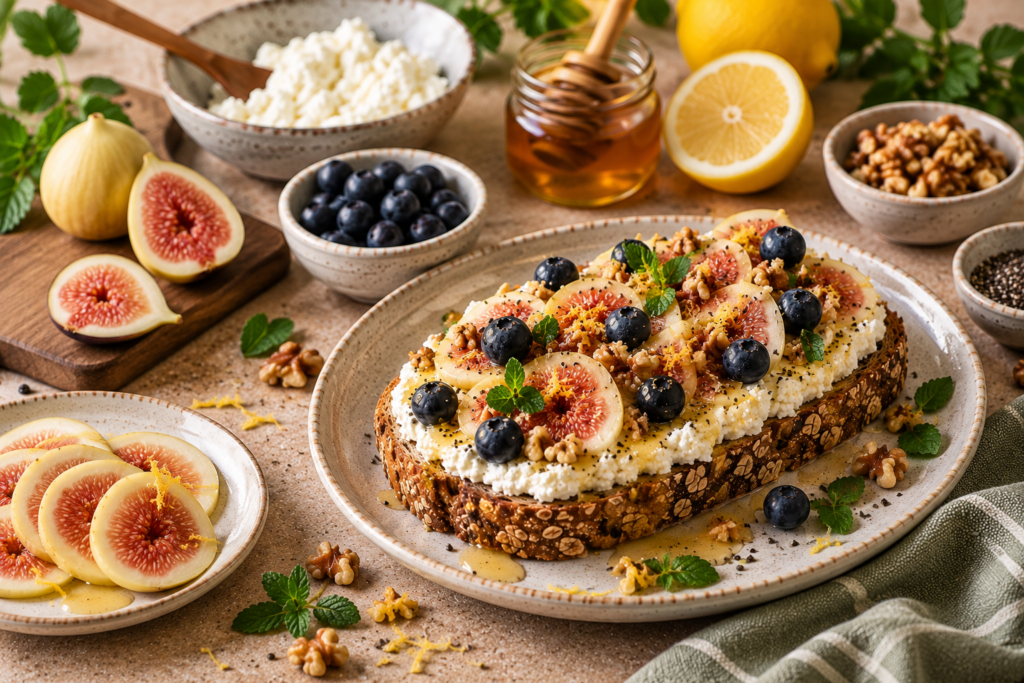
As you reflect on your meal, consider how each bite contributed to your well-being. Think about the flavours that danced together, creating a celebration of nourishment. Embrace the feelings of gratitude for the simple yet fulfilling experience of enjoying your toast. Allow yourself to revel in the moment, recognising that this time is yours to savour and appreciate fully.
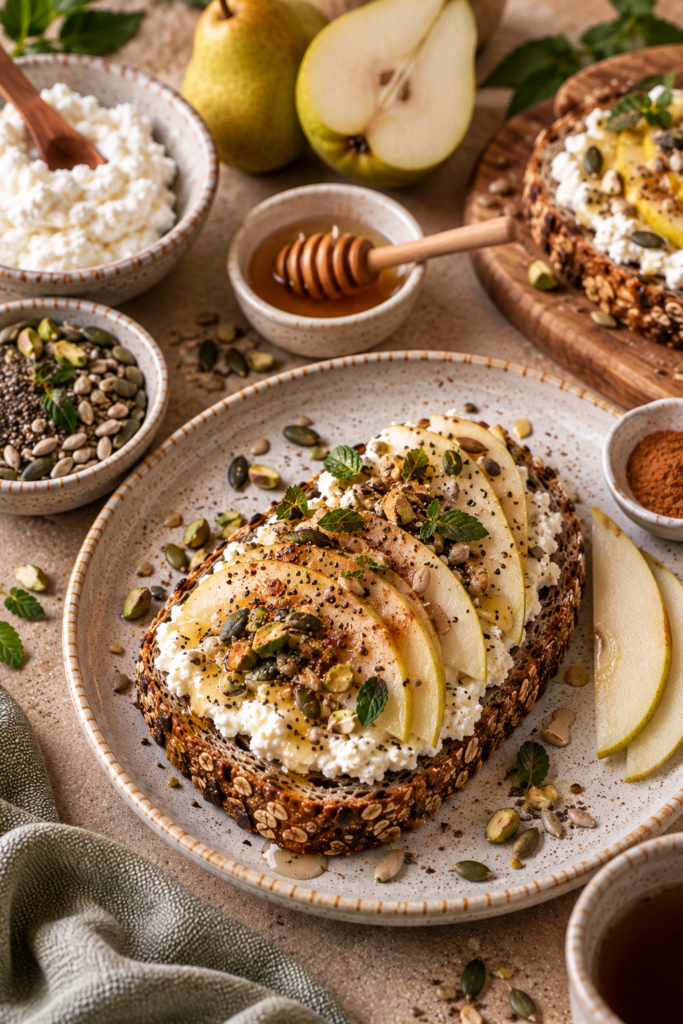
Rest Day Ricotta Toast
Ingredients
Method
Toast with Intention:
Lightly toast the bread until warm and golden.🌿 Mindful Moment: Listen for the sounds of the bread toasting and notice the warm aroma beginning to fill the kitchen. Use this brief waiting time to feel your feet on the floor and notice one comfortable breath.🧒 Kid Prompt: “Can you listen for the ‘pop’ of the toaster? What other kitchen sounds can you hear while we wait?”💬 Reflective Prompt: “What helps you stay present while you're waiting for something?”Spread with Care:
Top each slice with ricotta cheese, smoothing it slowly with the back of a spoon.🌿 Mindful Moment: Notice the contrast between the crisp toast and soft ricotta. Feel the gentle movement of your hand as you spread it from one edge to another.🧒 Kid Prompt: “Can you make swirls, waves, clouds, or a funny pattern in the ricotta?”💬 Reflective Prompt: “What does it feel like to do something slowly instead of rushing?”Layer with Love:
Drizzle the ricotta with some honey or maple syrup and add your chosen toppings. Arrange them however you like, allowing room for creativity and play.🌿 Mindful Moment: Notice how each topping changes the colour, texture, and appearance of your toast. Allow yourself to create without needing the finished toast to look a particular way.🧒 Kid Prompt: “Can you turn your toast into a garden, rainbow, funny face, or work of art?”💬 Reflective Prompt: “Where in your life do you feel most free to be creative and make your own choices?”Serve Slowly:
Place the finished toasts on individual plates or a shared board. Sit together and take the first bite slowly.🌿 Mindful Moment: Before eating, pause to notice the colours and aromas. As you take your first bite, explore the contrast between crisp toast, creamy ricotta, sweet honey, and your chosen toppings.🧒 Kid Prompt: “What do you notice first—the crunch, creaminess, sweetness, or your favourite topping?”💬 Reflective Prompt: “What becomes easier to appreciate when you give it your full attention?”
Nutrition
Notes
Tips & Tricks
- For Extra Creaminess – whip the ricotta with a splash of milk before spreading.
- Savory Version – skip the honey, drizzle olive oil, add herbs and cracked pepper.
- Sweet Boost – add some cinnamon or vanilla to ricotta before spreading.
Storage & Serving
Fridge: Store the ricotta mixture in an airtight containers for up to 3 days. Assemble the toast fresh when serving. Freezer: Not recommended for assembled toasts.Variations
- Berry Bliss – top with some strawberries, blueberries, and mint.
- Fig & Thyme – drizzle with some honey and sprinkle fresh thyme leaves.
- Pear & Walnut – thinly sliced pear with crushed walnuts and a drizzle of maple syrup.
Drink Recommendations
Family Friendly- Warm Chamomile Tea – calming for slow mornings.
- Spiced Rooibos Chai – caffeine-free but aromatic.
- Prosecco with Berries – light and celebratory.
- Café au Lait – grounding and rich.